Insert Molding Services
Metal and other inserts molded directly into plastic. Strong, integrated assemblies in one production step.
Insert Molding Applications
Types of inserts and applications for insert molding.
Threaded Inserts
Strong threads for repeated assembly, brass or steel inserts for plastic parts.
Bushings & Bearings
Self-lubricating, metal-backed, and wear surfaces for moving applications.
Electrical Contacts
Terminals, connectors, and conductive elements for electrical applications.
Insert Molding Benefits
Advantages of molding inserts directly into plastic parts.
Strong Assembly
Inserts are permanently locked in place by the plastic, creating strong assemblies.
Reduced Labor
Eliminate secondary insertion operations and manual assembly steps.
Precision Placement
Inserts are placed with high precision in the mold, ensuring accurate positioning.
Cost Savings
Lower total cost through reduced assembly and improved production efficiency.
Design Flexibility
Combine plastic and metal properties in ways not possible with separate parts.
Reliability
Consistent quality and reduced risk of insert failure compared to post-molding insertion.
Industries Using Insert Molding
Common industries and applications for insert molding.
Key Industries
- Automotive - fasteners, bushings, sensors
- Electronics - connectors, terminals, housings
- Appliances - handles, mounts, fasteners
- Medical - device components, mounts
- Industrial - machine parts, equipment
- Consumer products - hardware, assemblies
Insert Materials
- Brass - corrosion resistant, excellent threads
- Steel - high strength, cost-effective
- Stainless steel - corrosion resistant, sanitary
- Aluminum - lightweight, heat dissipating
- Copper - electrical conductivity, heat transfer
- Special alloys - high performance requirements
Frequently Asked Questions
Everything about insert molding services.
For Engineers
What insert materials work best?
Brass, steel, stainless steel, aluminum, and copper inserts work well with compatible plastic materials.
What tolerances are achievable?
Insert position tolerances of ±0.05mm typical, with thread quality to Class 6H or better.
How are inserts placed?
Manual or automated insertion in the mold. We use precision fixtures for high-volume production.
For Procurement
What's the minimum order quantity?
No minimum for production. From prototype quantities to millions of units.
How does pricing compare?
Insert molding costs more upfront but eliminates post-molding insertion labor costs.
What's the lead time for tooling?
Insert molding tooling typically takes 8-12 weeks. Prototype tooling available in 4-6 weeks.
For Decision Makers
Why choose insert molding?
Stronger assemblies, reduced labor, improved precision, and lower total cost for high volumes.
What's the ROI?
Typically 30-50% savings vs. post-molding insertion with improved quality and consistency.
Can we qualify multiple inserts?
Yes, family molds can accommodate multiple insert configurations for product families.
Insert Molding Success Stories
Strong integrated assemblies for demanding applications
Automotive Sensors
Brass inserts in 1M+ sensor housings for automotive applications
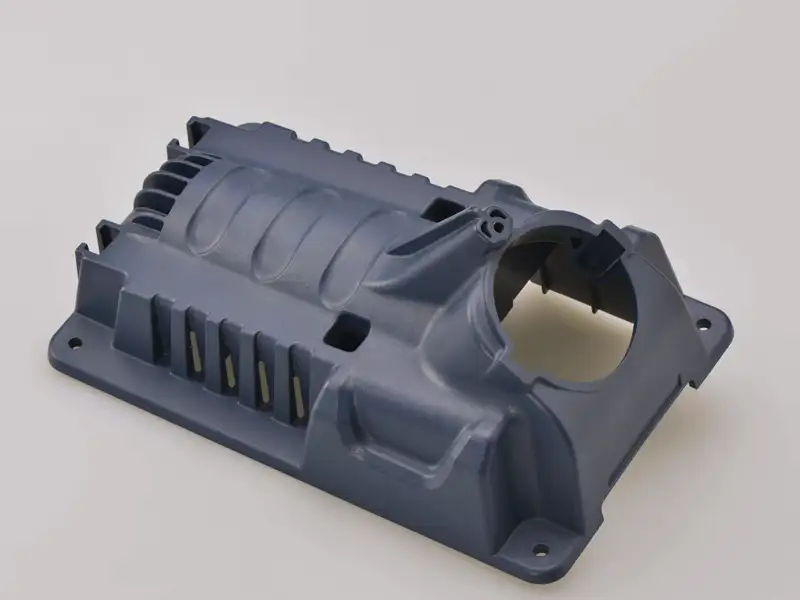
Industrial Equipment
Steel bushings in 100K+ equipment mounts for heavy-duty applications
Medical Devices
Stainless steel inserts in 50K+ surgical device components
Our Manufacturing Facilities
State-of-the-art equipment and skilled workforce ensuring high-quality production
Mold & Tooling Base
5-axis CNC, EDM, and precision tooling manufacturing
Precision Molding
45+ injection molding machines from 50T to 1000T
Assembly
Complete product assembly from sub-assemblies to finished goods
Precision CNC
High-precision machining with tolerance up to ±0.005mm
EDM Processing
Quality lab with CMM and advanced inspection
Mold Assembly
Skilled technicians with 15+ years experience in mold assembly
Ready to Start Your Project?
Get started with a free quote. Strong integrated assemblies with insert molding.