Thin-Wall Molding
Ultra-thin walls for lightweight, material-efficient parts. Fast cycle times for high-volume production.
Thin-Wall Applications
Products and industries requiring thin-wall molding.
Packaging
Lightweight containers, thin-wall food containers, and retail packaging.
Consumer Electronics
Phone cases, device housings, and thin wall components.
Automotive
Interior panels, lightweight structural parts, and components.
Thin-Wall Molding Benefits
Advantages of thin-wall injection molding.
Material Savings
Reduce material usage significantly, lowering part cost and weight.
Fast Cycle Times
Thin walls cool quickly, enabling faster production cycles.
Weight Reduction
Lighter parts for shipping savings and user comfort.
Material Efficiency
Less material needed per part improves sustainability.
Cost Competitive
Lower material costs and faster cycles reduce per-part cost.
Design Flexibility
Enables sleek, modern designs with thin profiles.
Thin-Wall Capabilities
Our thin-wall molding specifications and capabilities.
Wall Thickness Range
- Standard thin-wall: 0.5mm - 1.0mm
- Ultra-thin wall: 0.3mm - 0.5mm
- Micro-thin wall: < 0.3mm
- Consistent wall thickness critical
- Rib design optimization
- Gate location optimization
Materials for Thin-Wall
- Polypropylene (PP) - excellent for thin-wall
- Polyethylene (PE) - good flow properties
- ABS - good for electronics housings
- Polycarbonate - clear thin-wall parts
- Nylon - strong thin-wall components
- Specialized high-flow grades
Frequently Asked Questions
Everything about thin-wall molding services.
For Engineers
How thin can walls go?
Standard thin-wall: 0.5-1.0mm. Ultra-thin: 0.3-0.5mm. Micro-thin: below 0.3mm with specialized materials.
What materials work best?
Polypropylene and polyethylene excel for thin-wall. High-flow grades of ABS, PC, and nylon also work well.
How does filling work?
High injection speed and pressure required. Flow length to wall thickness ratio must be carefully calculated.
For Procurement
What's the minimum order quantity?
No minimum. Thin-wall is ideal for both prototype and high-volume production runs.
What are the cost savings?
Material savings of 30-50% compared to standard wall thickness. Faster cycles reduce per-part cost further.
What's the lead time?
Standard tooling 6-8 weeks. Thin-wall requires specialized mold steels and precise machining.
For Decision Makers
When to choose thin-wall?
Weight reduction, material cost savings, sustainability goals, and modern aesthetic requirements.
What are the risks?
Higher tooling cost and process sensitivity. Partner with experienced molder for best results.
Is it sustainable?
Yes, reduced material usage lowers carbon footprint. Lightweight parts also reduce shipping emissions.
Thin-Wall Molding Success Stories
Lightweight parts for demanding applications

Food Packaging
Ultra-thin containers for 20M+ food packaging units
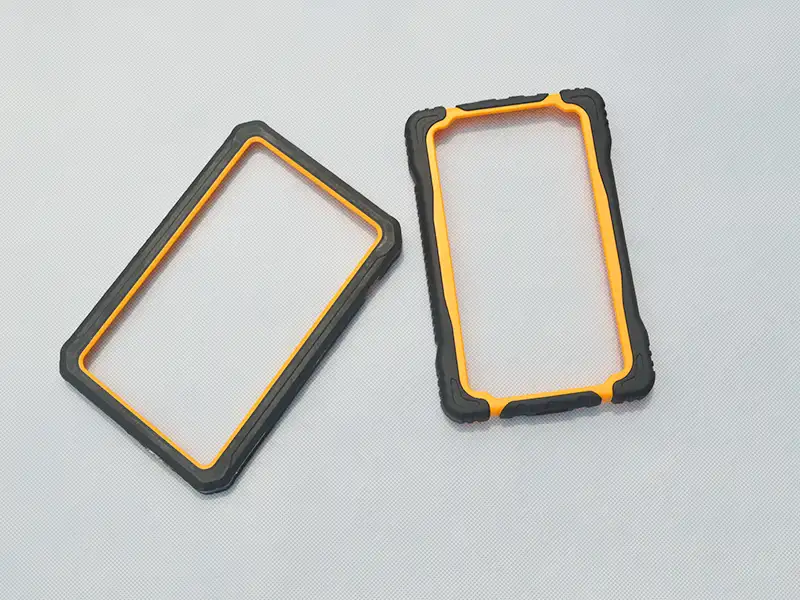
Consumer Electronics
Lightweight phone cases for 5M+ units
Medical Consumables
Thin-wall syringes for 10M+ medical applications
Our Manufacturing Facilities
State-of-the-art equipment and skilled workforce ensuring high-quality production
Mold & Tooling Base
5-axis CNC, EDM, and precision tooling manufacturing
Precision Molding
45+ injection molding machines from 50T to 1000T
Assembly
Complete product assembly from sub-assemblies to finished goods
Precision CNC
High-precision machining with tolerance up to ±0.005mm
EDM Processing
Quality lab with CMM and advanced inspection
Mold Assembly
Skilled technicians with 15+ years experience in mold assembly
Ready to Start Your Project?
Get started with a free quote. Lightweight, efficient thin-wall parts.